OMTech Solis Duo Review: Is It Worth Buying in 2026?
The OMTech Solis Duo is one of the more interesting laser machines to come out of the desktop and small-business engraving market in recent years. Instead of asking buyers to choose between a fiber laser for metal work and a diode laser for non-metal materials, the Solis Duo combines both into one machine. That alone makes it stand out in a category where most buyers are still forced to build their setup around separate devices, separate workflows, and separate budgets.
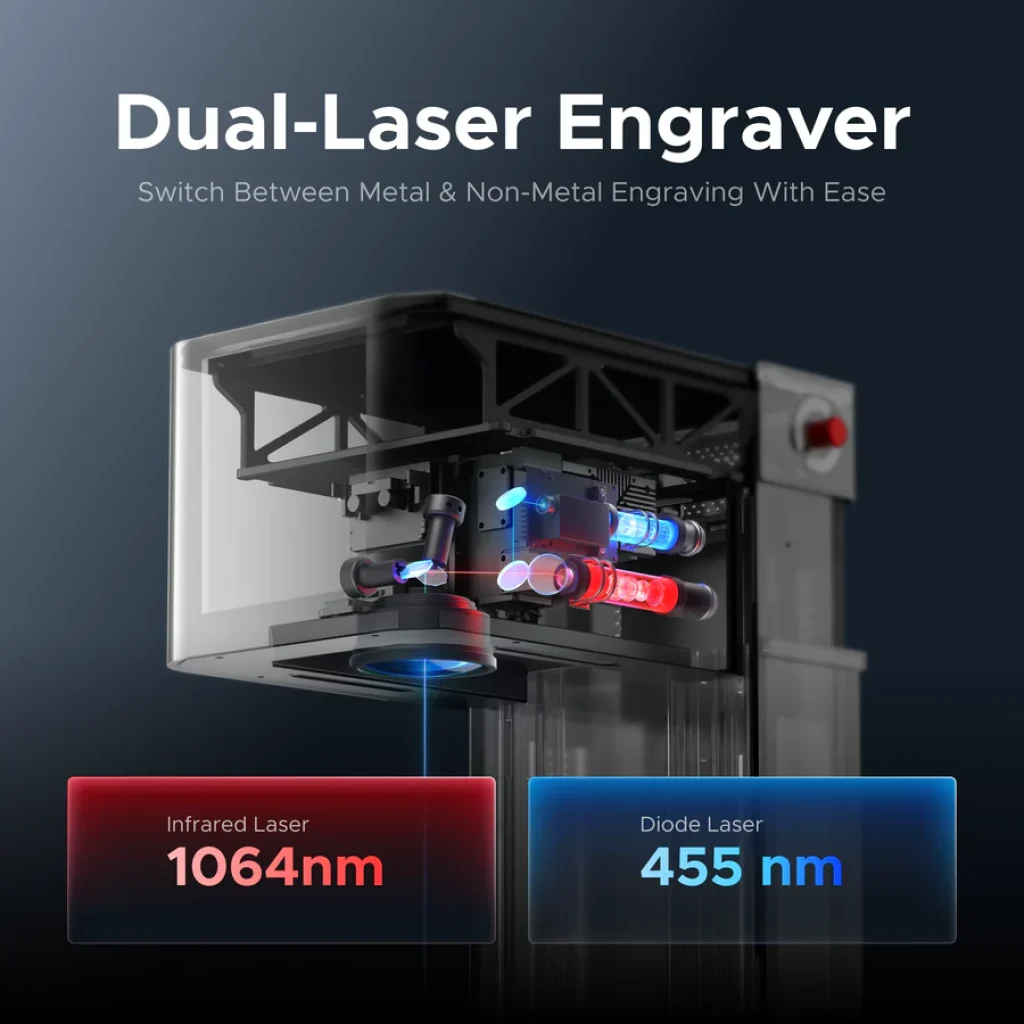
On paper, the concept is easy to understand. A fiber laser handles metal engraving, while a diode laser takes care of non-metal materials such as wood, acrylic, leather, and similar project materials. In theory, that means one machine can cover a much wider range of jobs than a traditional single-source engraver. For makers, small shops, side-hustle sellers, and product customizers, that sounds like a very compelling value proposition.
The bigger question is whether the OMTech Solis Duo is actually worth buying in the real world. Is it a smart all-in-one solution, or is it simply a compromise machine that tries to do too much at once? In this review, we will look at what the Solis Duo offers, where it makes sense, where it falls short, and who should seriously consider it in 2026.
What Is the OMTech Solis Duo?
The OMTech Solis Duo is a dual-laser engraving machine designed to handle both metals and non-metals through two different laser sources in one platform. Instead of being locked into a single material category, users can switch between fiber laser capability for metals and diode laser capability for a broader range of non-metal applications.
That positioning matters because it addresses a real problem. Many small businesses and serious hobbyists want to offer engraving across multiple product categories, but buying separate dedicated machines can be expensive, space-consuming, and harder to manage. The Solis Duo is meant to reduce that barrier by creating a more flexible production setup in a smaller footprint.
This is not a machine aimed only at casual experimentation. It is clearly positioned for people who want to turn laser engraving into a practical workflow, whether that means custom jewelry, product branding, gift items, signage, leather work, or small-batch manufacturing.
OMTech Solis Duo Specs at a Glance.
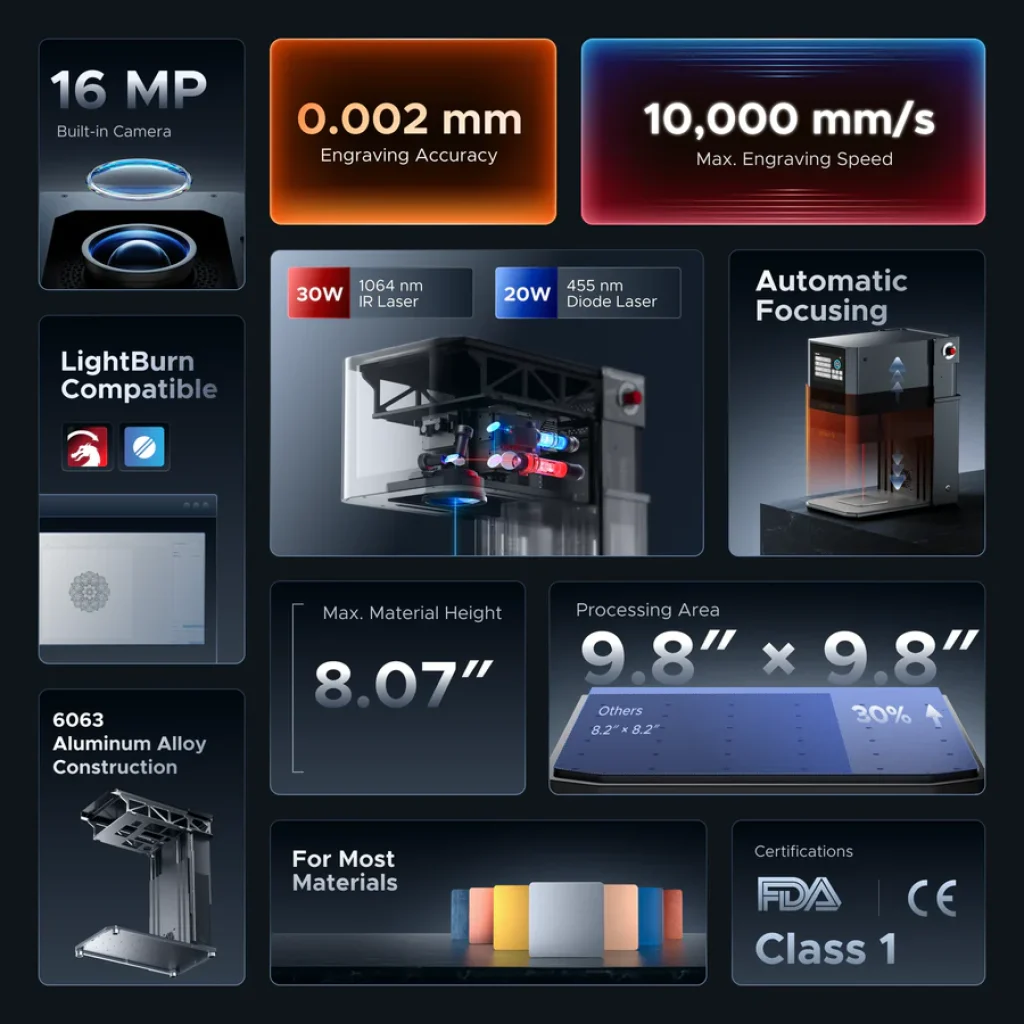
Depending on the configuration, the Solis Duo is available in several power combinations. The best-known setup is the 30W fiber plus 20W diode version, but there are also other variants for users with different output needs.
Key specs include:
– Dual-laser system for metal and non-metal work
– Available configurations including 20W fiber + 20W diode, 30W fiber + 20W diode, and 50W fiber + 40W diode
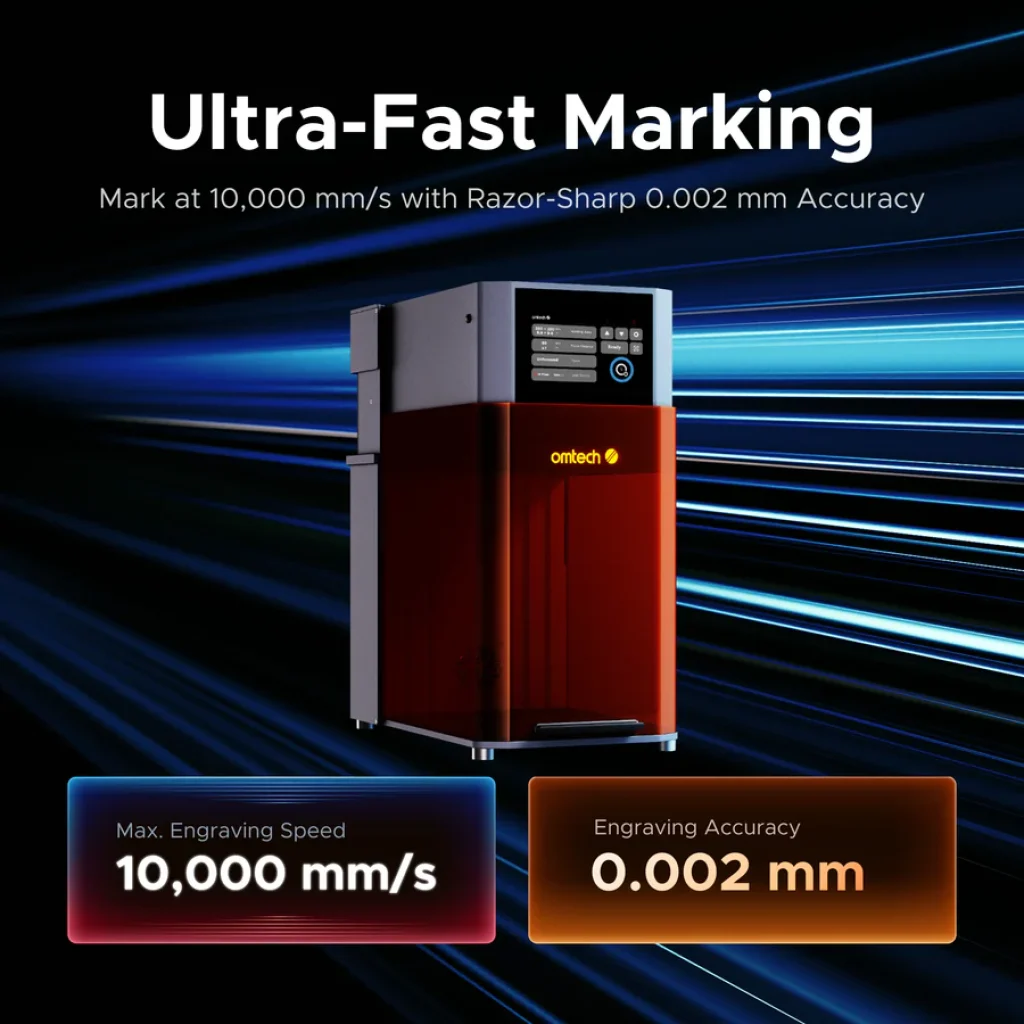
– Up to 10,000 mm/s maximum marking speed
– 0.002 mm engraving accuracy
– LightBurn and OMTech Lab compatibility
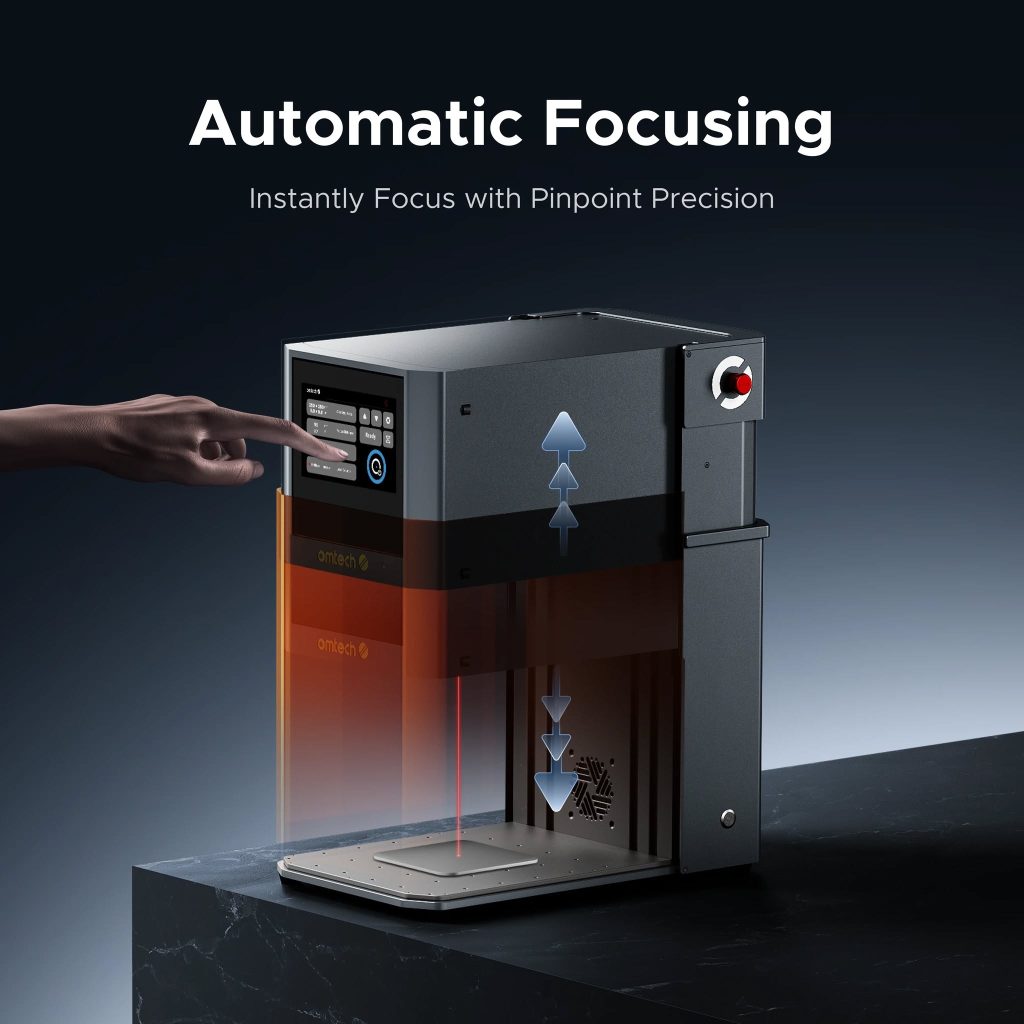
– Autofocus on the 30W and 50W fiber configurations
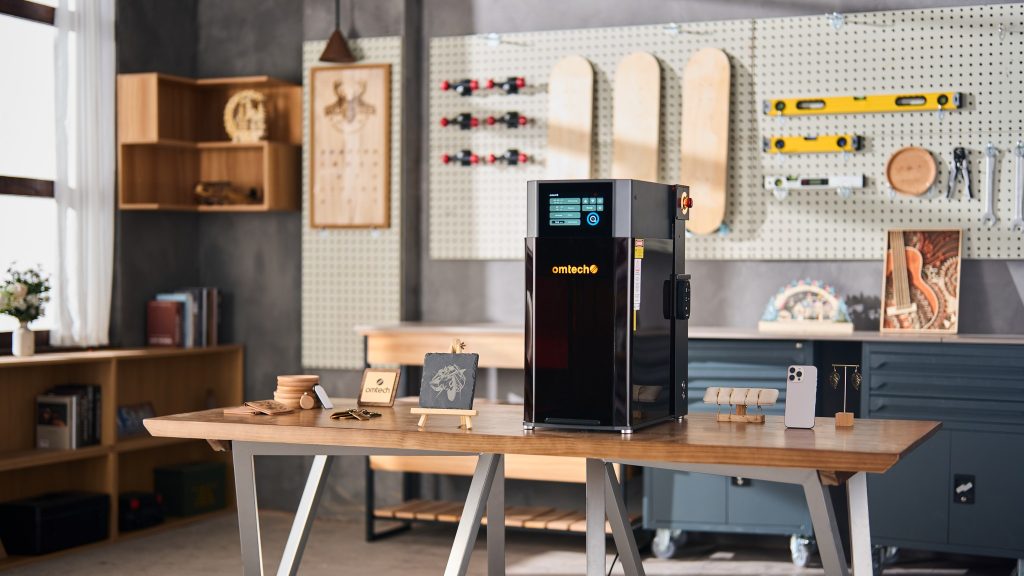
– Compact desktop-oriented footprint for workshop or studio use
These specifications suggest that the Solis Duo is not trying to compete only on novelty. It is trying to present itself as a real production-capable machine, not just a “two lasers in one box” concept.
What Makes the Solis Duo Different?
What makes the OMTech Solis Duo genuinely interesting is not just the fact that it has two laser sources. It is that the machine addresses a practical gap in the market.
Normally, if you want to engrave stainless steel tags, aluminum plates, and jewelry, you go with fiber. If you want to work on wood, acrylic, leather, and many non-metal materials, you usually go with diode or CO2 depending on your needs. Those are separate purchase decisions, separate workflows, and often separate software and setup habits. The Solis Duo aims to simplify that by giving you a single platform that covers both sides of the workflow.
That makes it especially attractive for people whose businesses do not revolve around only one material type. A small customization shop may need to engrave branded metal items one day and personalized wood or leather products the next. In that kind of environment, machine flexibility has real business value.
The Solis Duo is also a stronger idea than many “hybrid” products because the use case is easy to understand. This is not a machine that exists just to sound innovative. It exists to reduce equipment overlap and streamline mixed-material production.
Fiber and Diode in One Machine: Who Is This For?
The OMTech Solis Duo makes the most sense for users who regularly work across both metal and non-metal categories. That includes:
– small businesses offering custom engraving services
– Etsy-style sellers creating personalized products
– jewelry makers who also produce branded packaging or accessories
– makerspaces and workshops that want broad material coverage
– side hustlers trying to maximize output without building a multi-machine setup
This matters because the Solis Duo is not really a machine for everyone. If you only engrave metal, you may still be better off with a dedicated fiber setup. If you only cut and engrave wood or acrylic, a dedicated diode or CO2 option may be more logical depending on the scale of your work.
But if your workflow regularly crosses categories, the Solis Duo becomes much more attractive. It is best understood as a workflow simplifier rather than just a spec sheet machine.
Autofocus, Speed, and Workflow
One of the more practical features on the higher configurations is autofocus. This is a more important feature than it sounds at first. With machines like this, setup friction can quickly become one of the biggest hidden costs. Even a machine with strong output specs becomes less appealing if switching tasks feels slow, awkward, or error-prone.
Autofocus helps make the Solis Duo feel closer to a production tool rather than a hobby gadget. For shops moving between different materials, object heights, and small-batch jobs, reducing manual setup time has real value. It also lowers the barrier for less experienced operators who may not want to constantly fine-tune everything by hand.
The rated speed and accuracy also point in the same direction. A machine that can move quickly and maintain fine detail is much more useful for personalization businesses, logo work, serial marking, product branding, and other repeatable jobs where consistency matters.
Of course, speed claims on product pages should always be understood in context. Real output depends on settings, material, project complexity, and user experience. Still, the headline numbers suggest that the Solis Duo is built with serious throughput in mind rather than just entry-level experimentation.
Software and Ease of Use
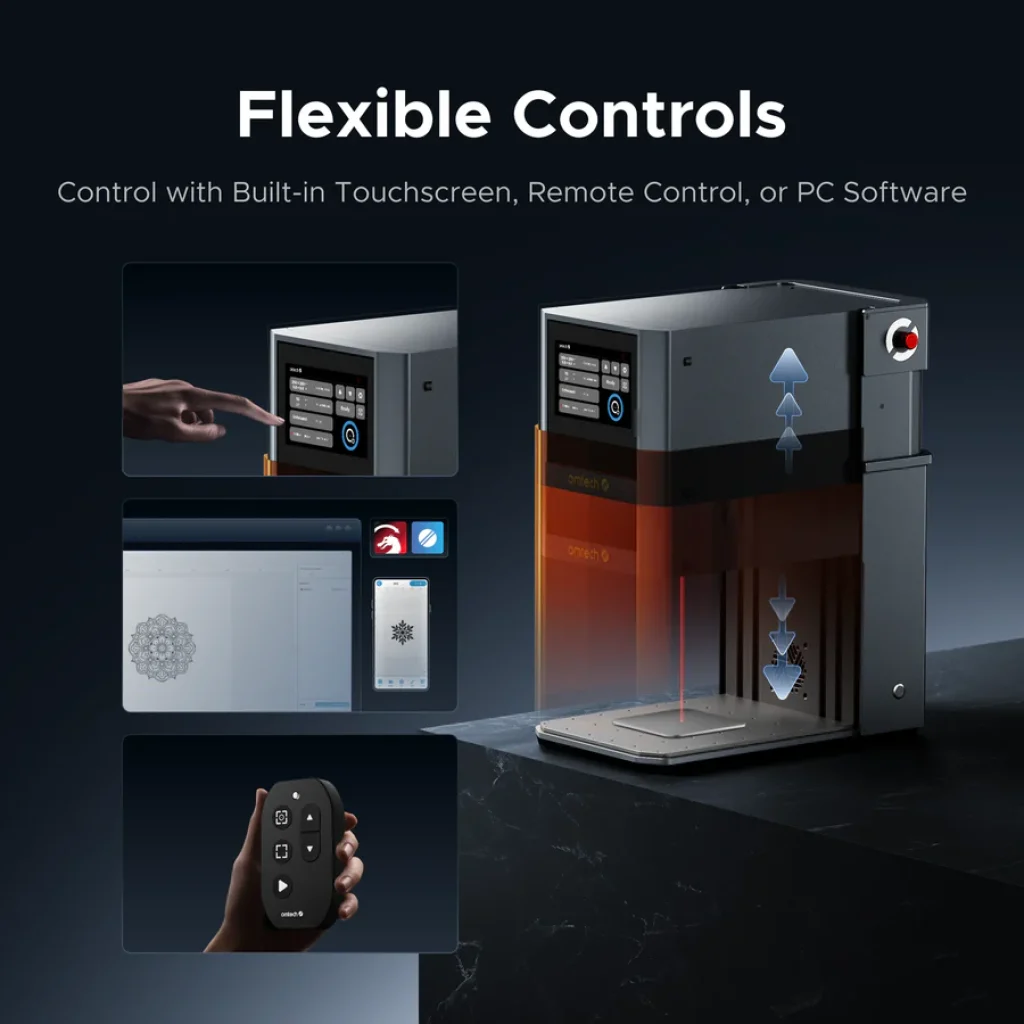
Software compatibility plays a major role in whether a laser machine becomes enjoyable or frustrating to own. OMTech’s support for LightBurn is a major positive here, because many laser users already know the software and prefer it over brand-locked systems. That reduces the learning curve and makes the machine easier to integrate into an existing workflow.
OMTech Lab support also gives the system a more guided path for users who want a simpler starting point. For many buyers, the combination of a familiar third-party software option and a native software path makes the machine easier to approach.
Ease of use is also tied to the machine’s all-in-one appeal. Buying two separate machines does not just double your hardware decisions. It can also complicate workflow, training, maintenance, and bench space. The Solis Duo’s strongest argument is not that it replaces every dedicated machine perfectly, but that it may replace enough of them well enough for the right type of user.
Real-World Pros and Cons
The biggest strength of the OMTech Solis Duo is obvious: it covers both metal and non-metal engraving in a single machine. That alone can simplify equipment planning and save space for smaller shops.
Another major strength is versatility. A broader material range gives users more freedom to test products, expand a catalog, and serve more customer requests without immediately investing in multiple specialized machines.
Autofocus on the higher-end versions is also a meaningful advantage. It improves convenience, lowers setup friction, and makes the machine more approachable for busy users or less technical operators.
Software compatibility is another win. Support for LightBurn makes the machine more appealing to experienced laser users who want workflow flexibility.
That said, the Solis Duo is not a perfect fit for everyone.
Its biggest limitation is that hybrid flexibility is not always the same as dedicated specialization. A buyer who only needs one type of laser work may get better value from a single-purpose machine. There is also the usual question of budget. Even when one machine may replace two, the upfront cost can still feel significant depending on your business stage.
Another potential drawback is buyer expectation. Some users may assume that one hybrid machine will outperform every specialized alternative in every scenario. That is not the right way to think about the Solis Duo. Its value comes from versatility, convenience, and business practicality, not from dominating every niche use case.
Who Should Buy the OMTech Solis Duo?
The Solis Duo is a strong option for buyers who need flexibility more than extreme specialization.
You should seriously consider it if you:
– want one machine for both metal and non-metal engraving
– run a small customization business with mixed-material orders
– want to save space compared with owning multiple laser systems
– value workflow simplicity and lower setup friction
– need a machine that can support business growth across several product types
It is also a compelling choice for ambitious beginners who already know they want to work across multiple material categories and do not want to outgrow a narrower setup too quickly.
Who Should Skip It?
The Solis Duo is probably not the best fit if you:
– only engrave metal and do not need non-metal capability
– only work on wood, leather, or acrylic and want a simpler dedicated system
– are shopping purely for the lowest possible entry cost
– prefer highly specialized machines for a single production lane
– do not actually need dual-material flexibility in your workflow
If your business or hobby use is very narrow, a dedicated machine may still be the smarter buy.
OMTech Solis Duo vs Separate Machines
This is where the Solis Duo becomes most interesting.
A separate fiber machine and a separate diode machine may still offer more room for highly specialized tuning or scaling. But the tradeoff is cost, space, complexity, and duplicated workflow. Not every buyer needs the absolute best dedicated setup in each category. Many buyers need a practical setup that helps them make money, launch products, test markets, and manage a growing workload without overbuilding too early.
That is the Solis Duo argument in one sentence: it gives you enough range to do more with less hardware.
For a solo operator or small shop, that can be a very strong value proposition. For a larger production environment with well-defined volume needs, dedicated machines may still make more sense.
Final Verdict: Is the OMTech Solis Duo Worth It?
Yes, the OMTech Solis Duo is worth considering if your workflow genuinely includes both metal and non-metal engraving and you want to reduce the cost, space, and complexity of owning separate systems.
Its biggest advantage is not just that it has two laser sources. Its real value is that it turns dual-material capability into a more realistic and accessible setup for small businesses, product customizers, and serious makers. The autofocus on higher configurations, broad material range, software flexibility, and production-friendly positioning all make it a more compelling machine than a gimmicky hybrid concept.
It is not the ideal choice for every buyer. If your needs are highly specialized, a dedicated machine may still be the smarter long-term investment. But for users who want flexibility, business practicality, and one machine that can handle a broader project mix, the OMTech Solis Duo stands out as one of the more interesting laser options to watch in 2026.
FAQ
What is the OMTech Solis Duo?
The OMTech Solis Duo is a dual-laser engraving machine that combines fiber and diode laser capability in one system, allowing users to work on both metal and non-metal materials.
Who should buy the OMTech Solis Duo?
It is best suited to makers, small businesses, and customization shops that need to engrave both metal and non-metal products without buying two separate machines.
Does the OMTech Solis Duo have autofocus?
Yes, autofocus is available on the 30W fiber and 50W fiber configurations, which helps reduce manual setup time and improve workflow efficiency.
What software does the OMTech Solis Duo support?
The OMTech Solis Duo supports LightBurn and OMTech Lab, giving users both a familiar third-party option and a native software workflow.
Is the OMTech Solis Duo worth it?
The OMTech Solis Duo is worth considering if you need flexibility across metal and non-metal engraving and want a more compact, all-in-one setup for business or maker use.
Check the Latest Price: Visit the official OMTech store to see the latest pricing, available Solis Duo configurations, and current shipping or bundle offers.
Related Articles:
OMTech Laser Review 2026: Why It Still Dominates the Market (Expert Analysis)
OMTech Laser Review 2025 – Real Performance, Quality & Durability Breakdown
Omtech Coupon Code 2025 – Save 5% + Up to 40% on Laser Engravers
Omtech Coupon Code 2025 – Best Discounts, Deals & Savings (Updated)